
Abstract
Sports offer a natural setting for developing motor skills, self-regulation, and social interaction, but autistic youth often encounter barriers related to sensory overload, rapid social demands, and motor coordination challenges. Recent advances in wearable sensing and emerging brain–computer interface (BCI) technologies offer new opportunities to objectively measure physiological, motor, and attentional states during physical education and sport, and to translate these signals into timely, individualized supports. This narrative review synthesizes evidence on neurobehavioral and sensory motor factors influencing sport participation in autism, evaluates outcomes and limitations of existing sport and physical activity interventions, and examines how wearable and neurophysiological technologies can extend current programs toward scalable, field ready inclusion. We review key wearable sensor modalities relevant to sport settings, including physiological monitoring, inertial motion sensing, eye tracking and smart glasses, and interactive feedback systems, with attention to multimodal data fusion and real-time inference approaches that yield interpretable, coach actionable outputs. Emerging BCI paradigms, particularly neurofeedback, motor imagery, and BCI virtual reality protocols, are also reviewed as complementary tools for supporting attention regulation, arousal modulation and motor learning, alongside major constraints related to motion artifacts, tolerability, and evidence quality. Finally, we propose a pragmatic translational framework centered on lightweight baseline sensing, personalized goal setting, and iterative closed loop adjustments, prioritizing interpretability, privacy, equity, and sport relevant outcomes such as minutes engaged, successful repetitions, safety, and sustained participation across seasons.
Keywords
autism spectrum disorder (ASD); autistic youth; sport participation; physical education; wearable sensors; physiological sensing; inertial measurement units (IMUs); eye tracking; multimodal data fusion; brain–computer interface (BCI); neurofeedback; virtual reality (VR).
Introduction
Autism spectrum disorder (ASD) is a neurodevelopmental condition characterized by differences in social communication, restricted interests, and repetitive behaviors that influence how children perceive, process, and interact with their environment. These characteristics shape everyday routines and also affect how children approach play, movement, and group activities. Recent estimates from the U.S. Centers for Disease Control and Prevention indicate that about one in thirty children meet criteria for ASD, underscoring the need for scalable, long-term strategies to support participation in school and community settings [1].
Physical activity plays a central role in healthy development and offers a unique context in which children can simultaneously practice motor skills, self-regulation, and social interaction, in ways that more formal therapies sometimes cannot [2]. As a result, structured exercise is increasingly recognized not just as recreation but as a complementary intervention that can support behavioral, educational, and developmental goals in autistic youth [3,4].
At the same time, the features that make sports valuable also limit access. Gyms, fields, and pools are often noisy, socially complex, and fast paced with rapidly changing rules and expectations. Autistic children often encounter challenges like sensory overload, difficulty reading social cues, and limited opportunities to practice fundamental motor skills in supportive, low-pressure environments. These challenges can lead to disengagement, marginal participation, or withdrawal from sport altogether [5,6]. Motor differences, including challenges in coordination, balance, and motor planning, may further amplify these barriers by making participation feel unpredictable or unsafe rather than enjoyable [7,8].
Concurrently, advances in wearable electronics are changing how physiological and behavioral data are collected in realworld settings. Low-cost sensors in watches, garments, and shoes can track heart rate, movement, and sometimes attention or engagement in real time [9,10]. In ASD research and practice, wearable sensing has been used to quantify stress and participation, support individualized regulation strategies, and facilitate communication across families, therapists, educators, and coaches through objective metrics and timely alerts [11-13,14,15]. These technologies offer a pathway to make otherwise hidden internal states, such as rising arousal or subtle motor instability, visible and actionable during practice.
Alongside body-worn sensors, brain–computer interfaces (BCIs) extend this approach by reading neural activity directly, most often through non-invasive electroencephalography (EEG), and translating patterns into feedback or control signals. Neurofeedback training programs seek to stabilize attention or arousal, and early work suggests that BCI-based training can help some autistic children, particularly those with co-occurring ADHD, practice sustained attention and self-regulation [16]. Recent studies combine BCI with virtual reality (VR) to create structured, game-like environments where movement, perception, and social cues can be rehearsed under controlled sensory conditions, though most applications remain at a conceptual or pilot stage [16,17,18]. However, most BCI applications in ASD remain at the pilot or proof-of-concept stage, with important constraints related to motion robustness, tolerability, and evidence quality.
The goal of this review is to bring these topics together. We first summarize neurobehavioral, sensory, and motor characteristics of ASD that shape participation in physical education and sport, and we review the outcomes and limitations of existing sport-based interventions. We then examine how wearable sensing technologies, and to a more exploratory extent, emerging BCI approaches, can augment current programs by providing objective, realtime measures and closed-loop supports that are feasible in realworld sport settings. Emphasis is placed on sensing modalities, multimodal data integration, and interpretable outputs that align with practical coaching and educational decision-making.
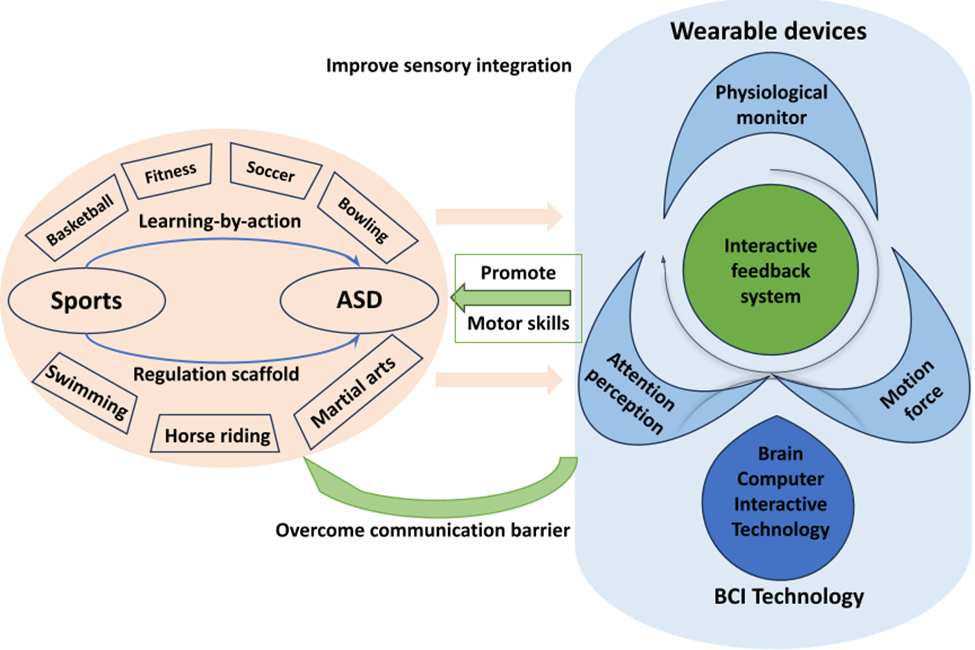
Figure 1 presents a conceptual framework linking common participation barriers in sport for autistic youth to intervention pathways and to wearable- and BCI-enabled supports, highlighting how measurement-driven approaches may help bridge the gap between promising interventions and sustained, inclusive participation on courts, fields, and in school gyms.
Sports and ASD
2.1 The challenges in ASD for sports participation
2.1.1 Sensory processing and integration
Atypical sensory processing is a common feature of ASD and likely arises from multiple interacting mechanisms. One long-standing hypothesis is an imbalance between excitation and inhibition in cortical circuits, with changes in GABAergic and glutamatergic signaling that alter how reliably neurons respond [19,20]. This framework helps explain why the same child sometimes shows hypersensitivity and other times seems under-responsive. Neuroimaging and electrophysiology add more detail, as many studies report slower or less reliable brain responses to stimuli, reduced habituation, and broader receptive fields in primary auditory, tactile, and visual cortices [20,21].
Differences in neural connectivity may amplify these effects. Local over-connectivity may sharpen attention to small details, while weaker long-range connections, especially along fronto-posterior and interhemispheric pathways, may limit global integration [19]. In practice, these patterns can impair filtering of irrelevant noise, calibrating sensitivity, or combining sound and visual information in real time. In sports environments, such difficulties often manifest as overload in noisy gyms, confusion when many bodies move at once, or difficulty understanding shouted instructions that arrive together with whistles, echoes, and visual motion [20,21].
Importantly, sensory responses in ASD are heterogeneous. Not all autistic people experience sensory input as overwhelming. Some seek strong sensory input and use intense movement or pressure to self-regulate [19]. This variation matters for sport design. A setting or activity that feels regulating for one child may be distressing for another, underscoring the need for flexible, individualized approaches rather than a single notion of a universally “sensory-friendly” environment.
2.1.2 Communication and language integration
Communication profiles in ASD vary widely. Some children do not use spoken language, while others speak fluently but have trouble with pragmatic aspects of conversation, such as turn-taking, tone, and matching style to context [22,23]. Many parents report delayed language milestones or early vocabulary loss. These histories often shape expectations long before sports participation is considered [23].
Neurobiologically, reduced functional connectivity between frontal language regions and temporal regions may weaken integration for both comprehension and production [24]. Differences in amygdala and superior temporal sulcus (STS) responses may also change how emotional tone and speech melody are read and produced [25]. Cognitive theories of weak central coherence and theory-of-mind differences fit with these neural observations, since they describe a tendency to focus on local details and to find it hard to infer other people’s beliefs and intentions [22].
In team sports contexts, these communication differences create specific challenges. Instructions may be understood literally but not in terms of tactics; a child may know the “right” words but still struggle to read when a teammate is open. Rapid back-and-forth communication can become one-sided or rigid, which can frustrate peers even when intentions are positive.
2.1.3 Motor planning and execution
Motor differences are common in ASD and show up in many ways: atypical muscle tone, delayed gross motor milestones, postural instability, dyspraxia, and clumsy or awkward movement patterns [26,27]. Reviews of fundamental movement skills show lower scores for locomotor skills, object control, and balance in autistic children compared with neurotypical peers. Some studies suggest that these gaps widen with age, especially when children have fewer chances to practice [26].
Computational and behavioral studies suggest that many autistic children rely more heavily on internal body cues than on visual feedback when constructing internal movement representations [28]. This bias can make visually guided tasks, like catching, imitating actions, or adjusting grip force, harder. Systems-level studies point to reduced engagement of fronto-parietal and cerebellar networks and disruptions in mirror-neuron systems, which support motor planning and transformation of observed movement into internal motor plans [29].
Studies of sustained force control show that autistic children often struggle more to hold a steady target force when visual feedback is removed, suggesting differences in short-term motor memory and in how movement plans are stored and updated [30]. In sport settings, these differences can translate into difficulty keeping a stable stance, repeating a movement with the same quality, or adjusting smoothly when rules or drills change. At a broader level, these motor-level challenges are often discussed alongside differences in neural connectivity and cortical organization, which can shape how children integrate cues during fast-paced sport.
2.1.4 Underlying neurological mechanisms
Across sensory, communication, and motor domains, contemporary models increasingly describe ASD as a condition of atypical neural connectivity and cortical organization rather than focal dysfunction in a single brain region. Studies of association cortex often report relatively stronger short-range coupling and weaker long-range communication, especially between frontal and posterior areas [24,31]. Classic accounts also highlight four recurring themes: difficulties integrating hippocampal input, changes in how the amygdala assigns emotional value, oxytocin- and vasopressin-related differences in social motivation, and altered patterns of selective attention that involve temporal–parietal circuits [25].
Taken together, these findings suggest that autistic children may process local sensory or motor information well, or even with unusual precision, but they may struggle to coordinate information across distant networks [24]. Although this systems-level view is not universally accepted, and some researchers argue for multiple “autisms” rather than a single connectivity pattern [32], still, this helps explain why tasks that require putting information together quickly, like following a coach’s directions while watching teammates and the ball, can be hard even when basic perception or strength seems fine.
2.1.5 Implications for sportand where sport can help
These neural and behavioral differences come together on the court or field. Autistic children may struggle to filter sensory noise, integrate visual and auditory cues in real time, keep up with fast instructions, or maintain balance and timing in crowded drills [20,21,26]. As a result, they may be physically present but only loosely involved.
At the same time, sport is one of the few settings where repeated practice of movement, attention, and social coordination can happen in a natural way. Reviews show that motor skills are changeable [33,34]. Structured programs that build core movement skills, such as locomotion and object control, through gradually harder drills can improve performance on standardized tests and sports-specific tasks [33,34]. Interventions such as SPARK, ICPL, table tennis, horseback riding, yoga, aquatic programs, and rhythm-based interventions show moderate to large effects, especially on locomotor skills [33,34].
However, effects are not uniform. Unstructured or loosely defined physical activity programs yield more mixed results, likely because of small samples, varied outcome measures, and inconsistent dosing [35]. Many studies also rely heavily on parent or teacher reports, so it is still not clear how often motor improvements spill over into better social participation or quality of life. There is also a strong male bias and limited attention to long-term follow-up and ecological validity [26]. Increasingly, researchers argue that evaluation should move beyond test performance toward outcomes that matter in practice, such as sustained team membership, enjoyment, and inclusion [36].
Because many participation barriers have mechanistic sensory and motor components, technology-supported sport programs may offer particular advantages. Motion capture, wearable sensors, and tactile feedback can help tailor drills to each child’s sensory profile and provide objective measures of progress, though most work so far is preliminary [28-30].
2.2 Sports interventions for ASD
2.2.1 Evidence across specific sports
Evidence from basketball, soccer, martial arts, bowling, and home-based fitness programs indicates that sports can improve motor skills, fitness, and aspects of participation for many autistic children. Basketball programs that blend technical drills with small- and medium-sized games report gains in dribbling, passing, and shooting, as well as improvements in social communication when coaches use clear roles and simple, shared goals [37,38]. Creative “constraint-led” versions that ask children to invent moves or respond to simple visual cues show that even modest changes in drill design can increase engagement and joint attention [39].
Soccer programs typically integrate skill stations with small-group play. Interventions emphasizing repeated ball touches and simple positional roles describe improvements in overall movement score and day-to-day participation in physical education [40]. A twice-weekly soccer program focusing on close control and turns reported better ball skills and more active engagement during recess and community play [41]. Martial arts classes that use stances, sequences, and paired drills have shown gains in balance, bilateral coordination, and self-control [42]. A community mixed martial arts class that paired autistic children with neurotypical peers found not only motor improvements but also more positive peer communication, suggesting that structured rules and predictable rituals can ease social interaction [43].
Simpler, highly structured activities yield converging evidence. A bowling intervention that relied on external-focus cues improved underhand throws and transfer to TGMD-3 scores in a separate testing context [44]. Parent-mediated fitness programs that use short, game-like routines with minimal equipment have been rated as acceptable and practical. Families report that these routines help children build basic strength and coordination at home and may lay a foundation for later sport involvement [45].
Aquatic and equine-assisted programs extend this evidence to more sensory-rich environments. Swimming and aquatic exercise studies report gains in gross motor composites, cardiorespiratory fitness, and water safety skills, along with reductions in stereotyped behaviors and improvements in daily routines such as bedtime and morning transitions [46-49]. Equine-assisted programs describe better balance, postural control, and confidence, and some caregivers note downstream benefits in communication and social participation beyond the riding sessions themselves [50-52]. Together, these studies suggest that a wide range of sports can support motor learning, self-regulation, and participation when they are structured with autistic children’s sensory and learning profiles in mind.
2.2.2 Pathways of sports interventions
Across different sports and formats, two partly overlapping pathways seem to explain why many autistic children benefit from physical activity. These two pathways are illustrated in Figure 1. The first pathway emphasizes skill building through doing. With repeated practice of fundamental movements such as running, jumping, catching, throwing, kicking, and dribbling, children often expand what they feel capable of, which can make joining activities less intimidating. When instruction directs attention away from body mechanics and toward external targets or game goals, children often execute movements more smoothly and show better transfer to standardized assessments such as TGMD-3 [44]. In team settings, mastery of core skills supports both motor performance and social engagement, creating a positive feedback loop in which success fosters continued participation [37,40]. The second pathway centers on structure and regulation. Here, the primary benefit is not a specific skill, but a steady, predictable setting that makes it easier for children to stay calm and focused. Some sports naturally provide sensory input that many autistic children find stabilizing, including rhythmic movement, deep pressure, warm water, or the steady presence of an animal. Aquatic programs, for example, combine buoyancy, resistance, and enveloping pressure. Families frequently describe children as calmer, more focused, and more receptive to interaction after regular swimming sessions [46-49]. Equine-assisted programs often mix slow, patterned movement through touch and guided social interaction, and reports of better balance and posture are accompanied by small but meaningful changes in communication and participation at home and school [50-52]. In both pathways, outcomes are strongest when task demands and sensory input are calibrated to support success and sustainability.
2.2.3 Design levers that strengthen either pathway
Several design features recur across effective programs. One feature is structure with peers. Clear roles, buddy systems, and small-sided games reduce ambiguity and waiting time, which can be especially stressful for autistic children. Visual supports such as colored cones, cue cards, and simple diagrams make routines predictable and reduce reliance on verbal instruction. Several studies note smoother turn-taking, more active engagement, and better in-play problem-solving when these supports are used in football, martial arts, and inclusive basketball [38,40,41,43].
A second feature is dose and scheduling. Multi-week programs with regular sessions allow skills to settle in before new challenges are introduced. Evidence suggests that total intervention time above roughly 16 hours tends to relate to more robust gains, although the exact threshold likely differs across children and sports [33,37,40,42]. Programs combining longer-term school-based participation with short intensive camps often outperform either approach alone, and follow-up sessions may support retention, although data remain limited.
A third feature involves planning for generalization. External-focus cues (e.g., “push the ground away”) tend to transfer across settings more easily than complex verbal instructions [44]. Parent-mediated routines that use adapted equipment and visual goal cards at home extend practice beyond formal sessions. In one trial, families reported that these routines were acceptable and feasible, and children’s TGMD-3 scores improved, suggesting that home practice can bridge the gap between therapy and everyday play[45].
2.3 Limitations of the current research
Despite the promising findings, the current evidence base for sport interventions in ASD has notable limitations. Most studies rely on small, convenience samples, quasi-experimental designs, and relatively short intervention periods, often tied to a single school term or camp [37,38,40,41,46,48,49,53]. Considerable heterogeneity exists in dose, group size, and coaching methods, and blinded outcome assessment is rare, reducing confidence in generalizability.
Interventions often combine multiple components, like technical instruction, fitness circuits, peer-mediated support, visual schedules, parent training, without clearly specifying which elements are essential. Outcomes are similarly varied: some studies focus on motor tests such as TGMD-2 or TGMD-3, others on parent- or teacher-reported social skills, and only a minority report sport-specific or participation outcomes such as successful passes, active involvement during recess, or team retention over a season [37,40-45,49,53]. These limitations make it difficult to compare studies, identify dose–response relationships, or directly test proposed mechanisms.
Finally, reporting on implementation context is often limited. Details about coach training, staff time, equipment, space, and family resources are often absent. Long-term, follow-up, or participation trajectories are rarely examined, and equity and access considerations receive limited attention, despite the high cost and uneven availability of some interventions such as equine-assisted or intensive aquatic programs [45-52]. Addressing these gaps is essential for translating short-term gains into durable, real-world inclusion.
2.4 Recommendations for future trials
Future trials should be adequately powered and designed around sport-relevant dose and intensity from the start. They should combine objective motor outcomes with everyday behavior and participation measures, and they should include mechanistic indices, such as eye-tracking or posturography, to test the learning-by-action and regulation pathways more directly [40,49].
Longer follow-up periods and quality-of-life measures are needed to evaluate maintenance and generalization. Wearable sensing technologies can support this goal by providing standardized, objective metrics of engagement and performance, but their accuracy, tolerability, and equity must be evaluated alongside technical performance.
As illustrated in Figure 1, wearable sensing and emerging BCI approaches offer the potential to extend sport programs by translating difficult-to-observe internal states into practical, in-the-moment supports, helping bridge the gap between promising interventions and sustained participation in real-world sport settings.
Wearable Devices and ASD
Wearable sensor technologies are increasingly used in ASD research for assessment and monitoring and, more recently, to support everyday participation at home, at school, and in physical education and sports [11,12,14]. The central rationale is practical: many internal states and rapid behaviors are hard to see in real time, especially in busy settings. Wearables can turn at least some of these states into clear, low-burden signals that coaches, teachers, caregivers, and children can use in real time [11,14].
3.1 Types of devices used in ASD studies and clinics
This section summarizes major wearable device classes used in ASD-related studies and clinical pilots (Table 1), with emphasis on sensor streams, feasibility, and relevance to PE and sport contexts.
| Functional system | Position | Data acquisition | Measured signals | Purpose | Limitation |
| Physiological monitor13,54,55,77,78 | Waist, Chest, Wrist | ECG, PPG, EDA, HR, HRV, BVP | Brainwaves, HR, Respiration, Skin Temp | Track autonomic/cardiovascular arousal (e.g., heart rate/variability, sympathetic activation) to infer stress, engagement, or regulation states in real time | Sensitive to motion, skin contact/fit, sweat/temperature and individual baselines, so data quality drops in real-world activity and signals are often hard to interpret as a specific state (e.g., “stress”) without context |
| Attention and perception56–60 | Head | Eye gaze tracker, Glasses | Fixations, Pupil diameter, Blink frequency | Measure visual attention and social orienting (what/when someone looks) to study perception, joint attention, and interaction cues during tasks | Requires calibration and is vulnerable to head motion, occlusions, glasses/lighting effects and accuracy drift, and gaze is an imperfect proxy for attention or social intent in natural settings |
| Motion and force39,62–64 | Ankles, Wrists | ACC, GYR | Acceleration, Gyroscope data | Quantify movement and posture dynamics to detect activity level, motor patterns, skill execution, and repetitive behaviors in everyday or sport contexts | Strongly depends on device placement/orientation and suffers from noise/drift and low behavioral specificity, so similar patterns can reflect many different actions unless paired with context or models |
| Interactive feedback65–71 | Head, Wrist | ACC, GYR, EDA, HR, EEG, Eye gaze tracker | Brainwaves, HR, Respiration, Skin Temp, Eye gazing, Acceleration, Gyroscope data | Deliver immediate, personalized prompts or reinforcement (visual/audio/haptic/biofeedback) to shape behavior, support skill learning, and aid self-regulation | Effectiveness depends on accurate, timely detection and careful personalization, but false alarms/latency and sensory or cognitive burden can reduce trust, usability, and generalization beyond the training context |
| Integration and data pipeline72–76 | Wrist, Head | EDA, PPG, ACC, GYR, ECG, BVP, Skin Temp, HRV, Eye gaze tracker | Brainwaves, HR, Respiration, Skin Temp, Eye gazing, Acceleration, Gyroscope data | Combine multi-sensor streams into synchronized, quality-controlled features and outputs so monitoring, analytics, and real-time interventions can run reliably | Multi-sensor systems face interoperability and time-sync problems, missing-data dropouts, inconsistent quality control, heavy data/compute needs, and privacy/security constraints that limit scalable real-world deployment |
| Brain Computer Interface80–83 | Head | EEG, Eye gaze tracker | Brainwaves, Eye gazing | Use brain signals to estimate cognitive/affective state or enable adaptive control/communication, supporting neurofeedback or closed-loop interventions tailored to the user | Signals are low-SNR and highly artifact-prone (motion/EMG), often require calibration and training, can be uncomfortable or stigmatizing, and current decoding may be unreliable or slow outside controlled environments |
3.1.1 Physiological monitors (HR/HRV, EDA, respiration, temperature)
Wrist photoplethysmography (PPG) and chest or garment-based ECG are commonly used to estimate heart rate (HR) and heart-rate variability (HRV), which index physiological arousal and autonomic regulation. HR and HRV changes have been linked to autism severity and can predict distress during interactive tasks [13]. Reviews show that cardiac activity, electrodermal activity (EDA), respiration, and skin temperature are the most common physiological streams used to estimate arousal, predict rising distress, and guide early support [14].
Advances in textile electrodes and skin-friendly materials can improve comfort and signal stability, supporting longer recordings during school routines, home activities and free play [9,10,54]. In school-age samples, researchers can usually obtain analyzable HR and HRV segments during semi-structured play when they apply basic quality checks [54,55]. There is still debate about how much precision is needed for practical use. In many school contexts, a rough but robust state estimate may matter more than perfect beat-to-beat accuracy.
3.1.2 Attention and perception (eye-tracking and smart-glasses/mixed reality)
Head-mounted eye-tracking and smart glasses can measure fixations, saccades, and gaze duration on areas of interest such as faces or coach gestures, and pupil changes [56-58]. These metrics link visual attention to emotion recognition and task engagement. Mixed-reality headsets with integrated eye-tracking bring these measures into semi-mobile social tasks, provided calibration, fit, device weight, and thermal comfort are carefully managed [59,60].
In sport contexts, feasibility is often constrained by conspicuity and tolerability. On one hand, eye-tracking gives rich data about what children actually look at during drills. On the other hand, head-mounted devices can be conspicuous and may not be tolerated by all children. This trade-off is important for sports settings, where comfort and peer perception are key.
3.1.3 Motion and force (IMUs, soft pressure sensors)
Inertial measurement units (IMUs) placed on wrists, ankles, or trunk can track linear and angular acceleration, velocity, jerk, and movement symmetry or entropy. Soft pressure sensors in insoles, gloves, or patches capture contact timing and force. Together, these tools describe coordination patterns, gesture use, repetitive movements, and force control, and they can reveal early neuromotor variability linked to later outcomes [61-64].
Several studies demonstrate the potential for practical classifiers. For example, one study recognized dozens of functional gestures in autistic samples with high accuracy, even when testing new participants not seen during training, which suggests that gesture recognition could support low-verbal communication and autonomy in busy settings [63]. Bilateral wrist recordings have been used to compute intensity, symmetry, and complexity metrics associated with coordination and age effects [62]. Lower motion complexity in infancy has been associated with later ASD diagnosis, which shows how motion sensing can also support early identification [64]. For PE and sport, the key advantage is that IMUs remain comparatively robust under movement and can support objective, repeatable skill and engagement metrics.
3.1.4 Interactive feedback systems (haptics, audio, on-device prompts)
Some devices close the loop by pairing sensing with immediate feedback. Smart glasses can translate detected facial expressions into small vibrations or color changes. Small vibration units on fingers or temples can signal kinematic error. Phone-plus-sensor systems can walk a child through multi-step routines, such as packing a gym bag or moving through a locker room sequence [65-69].
Augmented reality and mixed-reality interventions have been used with nonspeaking autistic users in short, structured sessions, especially when protocols respect sensory preferences and keep real sessions brief [70]. Adjustable audio filters can help children tolerate noisy environments by reducing certain frequencies while keeping speech frequencies clear [71]. For sport deployment, feedback must be discreet, rapid to interpret, and easy to disable to avoid over-cueing or stigma.
3.1.5 Integration and data pipelines (fusion, inference, and display)
In real-world settings, no single sensor is sufficiently reliable across motion, sweating, device shifts, and environmental variability. Multisensor fusion, often combining physiology, motion, and simple context tags, improves robustness. Many systems use short windows (15-60 seconds), child-specific baselines, and simple state outputs such as “green/amber/red” so that coaches do not have to interpret raw data [72-75].
Naturalistic studies emphasize the need for timesynchronization, artifact detection, and fail-safe operation when streams drop out [76]. There is room for debate about how complex these inference pipelines need to be, especially in resource-limited schools.
3.2 Wearable device applications in physical education for autistic children
3.2.1 Stress detection, escalation forecasting, and just-in-time self-regulation
Wearables can make internal arousal states visible. Across stress tasks and semi-natural play, HR tends to rise and HRV tends to fall with increasing arousal. Features extracted from short windows can forecast challenging behavior minutes in advance, which gives time for preventive micro-interventions [13,55,72,74,75].
A closed-loop “Anxiety Meter” that used ECG and respiration feedback increased diaphragmatic breathing and reduced HR reactivity during tasks [77]. Wrist-only approaches have also demonstrated classification during naturalistic learning with robot or agent partners, which suits children who prefer minimal equipment [78]. Multisensor frameworks that combine wrist HR, EDA, motion, and context markers further increase feasibility outside the lab [75].
A pragmatic PE workflow begins with a baseline period during typical routines to characterize each child’s arousal ranges. A population model can set initial threshold values. Over time, labeled episodes, such as moments when a break was requested or when a near-meltdown was avoided, let the system tighten thresholds for each child [55,72-74]. Adults see simple states, such as “stable,” “rising,” or “high,” each paired with one suggested support strategy. The child receives a brief, private signal, such as a short vibration, which can cue a breathing exercise or a temporary step-down in drill complexity.
3.2.2 Scaffolding social attention, communication, and emotion understanding
Eye tracking and smart glasses can quantify attention to faces, gestures, teammates, and task targets and can deliver lightweight prompts when attention drifts. In training contexts, systems that translate facial expressions into vibration or color cues improved speed and accuracy in emotion recognition after short training blocks [56,57,68]. More ecologically oriented deployments suggest that dwell time on partner- or task-relevant regions relates to engagement and can guide pacing decisions (e.g., shortening a drill when attention becomes consistently off-task) [58,59]. Remote-assistance glasses can work well for some autistic children, as long as the device is chosen and set up to match their sensory needs and attention strengths and challenges [69].
In team play, a simple scenario is a passing drill. If eye-tracking shows that a child is not sampling the coach’s gesture or an open teammate, a brief temple vibration can nudge gaze toward a pre-defined marker. Over time, percentage dwell on relevant areas can serve as a progress indicator that is easy to share with teachers and families [58,59]. For sports deployment, these approaches must prioritize comfort, discretion, and minimal setup time.
3.2.3 Motor learning, autonomy, and routine support
IMU metrics, such as intensity, symmetry, jerk, and entropy, provide objective indicators of coordination and timing during drills and transitions and allow repeated measurement across sessions to quantify progress and adjust difficulty [62]. On-device gesture classifiers can recognize functional signals like “break,” “ready,” or “water,” which enables low-verbal communication during practice [63]. Pressure and insole sensing can quantify stance and loading and can provide immediate feedback (e.g., a brief vibration for uneven weight distribution) [61].
Beyond sports, phone-plus-sensor prompting systems support multistep routines, such as preparing for PE or transitioning from class to locker room, which may reduce pre-practice stress [67]. Some interventions show that mapping kinematic error to vibrotactile cues improves movement smoothness more than visual feedback alone, probably because the added information does not compete with visual attention [65].
3.2.4 Sports and PE workflows (from sensing to coaching)
A practical implementation often starts with a short baseline phase. Over about a week of typical PE and low-stakes practice, the system records HR, HRV, and EDA during warm-ups, drills, scrimmages, and transitions to build a personalized arousal map [55,73,74]. During class, a small set of robust streams, usually HR/HRV, EDA, and wrist IMU, are fused in rolling windows. Motion signals help distinguish exertion from stress so that a sprint does not look like a panic spike. Adding a short buffer time keeps the system from quickly flipping between states when the signal wobbles. Instead of raw graphs, the coach sees a simple state display and, ideally, one suggested action, such as “slow the drill” or “offer reset spot” [74,75].
If the engine flags rising arousal, the child feels a brief cue and the coach may simplify the rule set or switch to a smaller-sided game. If arousal keeps climbing, a second prompt can suggest a short reset period. If it falls back, prompts fade, which helps avoid dependence and keeps focus on the activity itself [65,70,72].
Visual and audio supports can help translate social cues in noisy practices. Camera and eye-tracking modules can detect a coach’s pointing gesture or an open passing lane and map these events to a small codebook of on-body signals. Two short pulses might mean “look to coach,” while one pulse could signal “check teammate.” For children with auditory hypersensitivity, adjustable filtering can reduce overall gym noise while preserving speech cues [66,68,71]. Post-session summaries can then report actionable metrics such as minutes engaged, avoided exits, drill completion at target difficulty, attention allocation, and trends in symmetry or movement variability [59,62].
3.2.5 Beyond the gym: routines, transitions, and safety
Wearable-based prompting can also smooth daily transitions, such as packing gear, moving from classroom to gym, or showering after sport. Physiological signals can help guide safe pacing in the heat or during water-based activities. Simple anomaly flags based on combined EDA and IMU spikes can mark episodes for later review without storing raw video or audio, which protects privacy [11,67,71].
User-centered design is a recurring theme. Fit, materials, cue type, and schedules must match sensory preferences and personal baselines. Commercial devices are increasingly used in ASD research and in some school pilot programs. This can lower costs and make implementation easier, but off-the-shelf devices often need careful setup so they don’t overwhelm users [14,15].
3.2.6 Multimodal fusion and closed-loop intervention
Studies that combine multiple signals, such as HRV, EDA, IMU, and temperature, and tie predictions to immediate prompts tend to report the strongest practical impact [72-75]. Systems that only monitor state without driving action can still be useful for assessment, but they do less to change participation in the moment [66,69]. There is an ongoing debate about how much complexity is worth the added burden in school and community programs.
3.2.7 Objective outcomes and documentation
Wearables can offer standardized, interpretable metrics: minutes engaged, exits averted, percentage of drills completed at target difficulty, dwell time on key areas, and symmetry or complexity trends. Physiological data can mark readiness and recovery, and eye-tracking and IMUs can document skill acquisition and attention to cues [58,59,62]. These summaries fit naturally into IEPs and therapy notes and can help justify changes in dosage or equipment [14,15].
3.2.8 Personalization and profile-based matching
Wearable benefits vary with sensory profiles, executive function, and device tolerability. Screening can guide choices about form factor, cue modality, and schedules. Systems should learn personal baselines such as resting HRV, typical gaze spread, and usual motion intensity, and should adapt thresholds over time. Weekly recalibration can help when profiles shift because of fatigue, illness, or other factors [55,62,69,71,73,74].
For many programs, a minimal starter kit, which could include a wrist HR/EDA plus a single IMU, may be more realistic than a full multi-sensor rig. Richer setups with eye-tracking or AR can be reserved for specific questions or research projects rather than routine PE implementation.
3.3 Limitations
Most wearable studies in ASD are small, short, and often restricted to lab or clinic environments. Samples are usually convenience-based, interventions vary widely in duration and content, and blind evaluations are rare [55,58,69]. Many studies focus on feasibility or signal quality rather than pre-registered, sport-relevant outcomes such as participation minutes, successful repetitions, near-miss reduction, or retention across a season. As a result, effect estimates are imprecise, and it is hard to know how well current findings will generalize to different ages, support needs, and school or community sport programs [56,69,70].
Dynamic play also makes measurement itself a challenge. Fast, vigorous movement can distort sensor readings. It can add motion noise to PPG and EDA, reduce eye-tracking accuracy because of drift or glare, and cause large heart-rate changes that reflect both physical effort and stress. There is no standard, field-friendly protocol for motion-aware calibration, data cleaning, or quality control in school or team settings. Many studies rely on frequent manual checks, synchronized video, and detailed event annotation to keep data usable, which increases staff burden and limits scalability [59,60,73,74,76].
Tolerability and social acceptance further narrow who can benefit. Wristbands and soft garments usually offer a workable compromise between comfort and signal quality, but head-mounted eye-tracking or mixed-reality systems are acceptable only for a subset of children. Sensory and executive profiles strongly shape which devices are tolerated, how long they can be worn, and what types of prompts are helpful rather than distracting. Prompts also need to be subtle enough to avoid unwanted attention during peer interactions, which constrains feedback design in real practices and games [65,69,71].
Data governance is a persistent concern. Families and schools have understandable concerns about who sees physiological data, how long it is stored, and whether it might be used for surveillance or high-stakes decisions rather than support. On-device processing, minimal data retention, and simple weekly summaries can reduce these risks, but personalization usually requires at least some baseline data and labeled examples to adjust thresholds to each child. A common compromise is a population model plus a brief baseline period followed by gradual adaptation, but this approach can still be difficult in resource-limited programs [55,73,74]. Finally, equity remains a central challenge. Many of the more capable devices and multimodal setups are expensive, fragile, and dependent on technical support. If they remain concentrated in well-resourced clinics and schools, autistic children in underfunded districts or rural communities may be least likely to access them, despite high potential need. Without attention to cost, durability, and ease of use, wearable-supported sports programs risk widening existing gaps in access to inclusive physical activity [14,15].
Brain–Computer Interface (BCI) Technology and ASD
4.1 BCI Technology
We now turn from peripheral sensing to direct neural interfaces and ask how brain–computer interfaces (BCIs) might complement wearables by helping prime attention, regulate arousal, and support motor learning. A BCI records brain activity, most often using non-invasive EEG, and translates patterns into commands or feedback signals. Instead of relying on muscles and peripheral nerves, BCIs open a channel from neural activity to technology, which clinical and rehabilitation work has used to support motor, sensory, and cognitive functions in several neurological and developmental conditions [16].
Neurofeedback is the most common BCI application. It gives people real-time information about selected features of their brain activity and rewards them for producing target patterns linked to sustained attention or calmer arousal. Over repeated sessions, this operant conditioning can stabilize brain activity patterns and support self-control in attention, emotion regulation, and planning and organization skills [16,79]. In autistic children, BCIs have been explored across motor, sensory, and cognitive domains. Motor-imagery training uses brain signals linked to movement to help strengthen body awareness and coordination. Sensory-focused training lets children practice handling touch, sound, or visual input in a controlled, often game-like setting. Attention-focused neurofeedback may be especially helpful for children with ASD and co-occurring ADHD, with reports of better sustained attention and less hyperactivity [17,18,79].
Two design features recur in recent work. One is gamification, which helps children tolerate repeated sessions and stay engaged with training tasks. The other is combining BCI with virtual reality (VR) to create immersive but structured spaces where joint attention, gesture reading, and emotion recognition can be rehearsed under predictable sensory conditions [17,18]. Systematic reviews suggest BCI-VR protocols are usually well tolerated and can improve selected cognitive and social targets in school-aged autistic children, but samples remain small, methods are varied, and direct applications to community sports are still at a pilot stage [17,18]. This sets the stage for the next section, which asks how these ideas might be adapted specifically for sports participation.
4.2 BCI and sports-oriented interventions for autistic children
4.2.1 Why pair BCI with sport?
Sport engages attention, arousal regulation, sensorimotor planning, and social cueing, all of which can be effortful for autistic children. BCIs can help train these systems before or during practice by modulating neural activity associated with focus and motor control and then testing transfer immediately in drills.
For example, Motor-imagery BCIs can be aligned with planned movements. A child may imagine wrist extension that matches the serve they will later practice physically. This can get the motor system ready, so hands-on practice leads to learning faster [79]. Neurofeedback sessions that target rhythms linked to sustained attention and calmer arousal can serve as tune-ups before practice, particularly for children with ASD and ADHD who struggle to settle at the start of a session [16,18].
4.2.2 BCI-VR as a controlled sport simulator
BCI combined with VR can create simplified sport-like environments that strip away some of the unpredictability of real games. Children can practice passing, shooting, or balance under controlled sensory conditions, while BCI measures and feeds back on attention or error monitoring. In these setups, joint attention, reading of gestures, and emotion recognition can be rehearsed without the noise and speed of a full gym [17].
There is room for disagreement about how realistic such simulations need to be to support transfer. Some argue that high realism is essential, while others suggest that simpler scenes that isolate key skills may work better for many autistic children.
4.2.3 Hybrid BCI + wearables for practice on the field
In real-world practice, BCI signals can be fused with peripheral wearable data, such as HR/HRV, EDA, and IMU, to distinguish normal effort from overload, send prompts only when the body is ready, and reinforce helpful focus or movement patterns. For example, if arousal rises without matching motion intensity, suggesting sensory overload rather than exercise, the system can propose a breathing routine and a simplified drill. When arousal and focus are in an optimal range, brief neurofeedback-style rewards can strengthen that state [16].
4.2.4 What the evidence shows so far
Most BCI studies with autistic children are feasibility pilots. Still, they point toward possible routes from lab protocols to child-tolerant training. Table 1 summarizes representative BCI paradigms used in ASD intervention.
An eight-week EEG-based program that used gaze- and attention-modulated games improved ADHD symptoms and was well tolerated, although effects on core social deficits were more limited [80]. A small case series in intellectually impaired autistic children found that mu-rhythm training helped children modulate their mu rhythms and stay engaged with the task. This suggests a possible route to support imitation and motor planning [81]. Work on error-related potentials (ErrPs) has shown that BCIs can detect neural signatures when children observe an agent making mistakes in facial-emotion tasks. These signals can then drive reinforcement learning that helps the agent improve, while also engaging participants’ own error-monitoring systems [82]. A case report of an autistic adolescent with ADHD who took part in a recreational BCI program described high enjoyment, a desire to continue, and observed gains in social communication and self-advocacy, which suggests that quality-of-life outcomes may be as important as symptom scores [83].
4.2.5 Putting it together in practice
One realistic routine might include four elements: (i) a brief neurofeedback block (around 5-10 minutes) to steady attention and arousal; (ii) a short motor-imagery sequence that matches the main movement of the day; (iii) transition to on-field drills in which lightweight cues reinforce the targeted state or movement; and (iv) a short debrief that links what was learned to a simple cue the child can use later. This setup is similar to some neurofeedback programs used with athletes, but it needs to be adjusted to fit the sensory needs and attention differences seen in ASD [16-18].
4.3 Limitations and gaps for BCI in ASD
Signal robustness under motion is a core barrier to sport-relevant BCI. Ambulatory EEG is highly sensitive to movement and sweat noise. There is no agreed standard for cleaning data during walking or running without over-correcting, and open datasets for “in-motion” EEG in ASD remain limited [84,85]. This is one reason most BCI sport concepts are still tested in seated tasks rather than in real drills. At the same time, core neural signals themselves are variable: event-related potentials such as P300 often show reduced amplitude and longer latency in autistic youth, and findings for mu desynchronization vary substantially across individuals. This mix of movement noise and inconsistent signals makes it hard to build closed-loop BCIs that work reliably for most users, especially in fast, noisy settings like sports [86,87].
Paradigm tolerability adds another constraint. Visual paradigms such as steady-state visual evoked potentials (SSVEP) can produce low completion rates in younger children and may be uncomfortable or even intolerable for those who are sensitive to flicker or visually busy displays [88]. More subtle hardware is not a complete solution. Dry or stretchable electrodes reduce setup time and may handle perspiration better than traditional gels, but they still degrade during vigorous motion. In-ear or ear-EEG systems improve comfort and discretion, yet most validation for these devices comes from low-movement contexts, such as sleep studies, not from high-intensity sport [89]. These trade-offs between signal strength, comfort, and robustness remain unresolved and constrain which BCI paradigms are realistic on fields and courts.
The evidence base is also limited. Trials are typically small and short and often lack strong control conditions or blinding. Many rely heavily on caregiver or teacher reports rather than objective measures of attention, motor performance, or participation. Feasibility results from mu training, error-related-potential paradigms, and ASD+ADHD trials suggest promise for attention and self-regulation targets, but current data do not yet establish robust effects on core ASD features or on sustained sport participation [18,80-82]. Gamified and VR-based protocols look encouraging, particularly for school-aged children, but they still need larger and longer studies with standardized outcomes to test durability and generalization beyond lab or clinic settings [90].
Finally, neural data raise distinctive ethical, privacy, and regulatory questions. Even when de-identified, EEG datasets may be re-identifiable under some conditions. Neuroethics guidelines emphasize careful consent and assent procedures, child-specific safeguards, and clarity about who can access which types of data. Several jurisdictions are moving toward treating neural data as a sensitive category with stricter rules for storage and sharing [91]. In sport settings, which often involve minors in group contexts and intersect with schools, clubs, and healthcare providers, these issues are not theoretical: they will shape what families, coaches, and institutions are willing to accept. Any attempt to deploy BCI in autistic children’s sport therefore has to navigate not only technical and methodological gaps, but also governance and trust.
Perspective and future directions
The next step for this field is to move from showing that signals can be measured to showing that they can reliably improve sports participation for autistic youth. Key outcomes include minutes engaged, successful repetitions, safer drills, and sustained inclusion across seasons. A pragmatic approach is to treat support for autistic athletes as a continuous learning system that starts with evaluation rather than intervention.
One way to do this is to begin with a baseline phase in the child’s usual environment: a week of lightweight sensing, such as wrist or garment physiology plus one IMU, paired with simple observations about arousal, movement intensity, pace, and responses to cues. From these data, coaches and clinicians can set two or three concrete goals, such as reducing pre-transition spikes, increasing attention to visual cues, or improving stance symmetry. They can then choose the smallest set of supports that might help reach those goals, including external-focus cues, buddy roles, predictable rotations, or one just-in-time prompt.
During the next phase, the plan is implemented while wearables collect low-burden data woven into routine coaching. At the end of the week, data are compared with the baseline, and both the supports and the thresholds are adjusted. Over several cycles, this evaluation–plan–implement–analyze loop can converge on a personalized program that respects sensory profiles and the realities of busy practices.
Artificial intelligence can sit inside this loop if it stays simple and interpretable. Multimodal models can combine short-window features from physiology, motion, and context markers to infer a small set of actionable states, such as “rising arousal,” “missed visual cue,” or “fatigue-related form change.” Instead of showing raw data, dashboards can present these states and one suggested action, such as “offer short breathing break,” “switch to smaller-sided game,” or “restate target with gesture.” Personalization would rely on a shared model that is adapted to each child using baseline data and ongoing practice episodes. In data-poor and privacy-sensitive school settings, smaller models that learn from limited data may be more appropriate than complex deep-learning pipelines.
To reduce labeling burden, semi-supervised and weakly supervised methods can align sensor changes with existing practice markers, such as whistles or drill transitions, and then ask coaches only for confirmation on the most informative events. Larger language models can help with workflow by turning model states and coach notes into weekly summaries, family updates, or IEP-aligned progress statements, without direct access to raw physiological data.
For BCIs, near-term use will likely focus on short neurofeedback sessions before practice to steady attention and arousal, motor-imagery warm-ups for key movements, and game-like mixed-reality activities that let children practice shared attention and following cues in simple, controlled scenarios. On-field integration should be incremental and tied to hardware that tolerates sweat and motion, artifact-aware processing, and hybrid designs in which wearables gate EEG-based prompts to periods when movement is manageable.
Methodologically, future studies should be powered and long enough to capture meaningful change, should use pre-specified sport-relevant endpoints, and should routinely report tolerability, data quality, and human factors such as coach uptake and child acceptance. Outcome measures should combine objective indicators, minutes engaged, number of repetitions, near-miss events, and movement data, with measures of real-world carryover and quality of life.
Finally, governance and equity need to remain central. Neural and physiological data from children should be treated as sensitive, with minimal necessary collection, on-device processing when possible, clear consent and assent adapted to age and communication style, and role-based access. Co-design with autistic youth and families, including those from under-represented communities, is essential so systems are discreet, affordable, and helpful, rather than intrusive or embarrassing. Without this, even the most elegant technical solutions will struggle to reach the children who might benefit most.
Conclusions
Sport can be a powerful context for learning and well-being for autistic children, but only when support matches the sensory, motor, and social realities of gyms and fields. Wearable devices and BCIs do not replace good coaching or thoughtful peers. They offer another way to see what is usually hidden, like rising arousal, subtle changes in movement, and missed cues that are hard to track in real time. When short-window data are translated into a few simple states and linked to small, in-the-moment adjustments, they can help keep children in the game rather than on the sidelines, and make progress visible in terms that matter: more minutes fully engaged, more successful repetitions, safer drills, and better chances of staying on school and community teams.
In the near term, deployment should stay modest and pragmatic. Lightweight, tolerable setups, for example, a wrist or garment sensor plus one IMU, paired with a brief baseline phase can help identify fragile moments and guide a small set of supports. Coach-facing displays that show only a few states and one suggested action are more likely to fit busy practices, and richer tools like eye-tracking or BCIs will probably belong in short pre-practice blocks or targeted sessions rather than full games. Some families and coaches will reasonably prefer low-tech adaptations, like smaller groups, quieter spaces, extra visual structure, so technology must demonstrate clear added value beyond good practice.
Future work needs to show not just that signals can be measured or states labeled, but that these systems improve daily life for autistic athletes, through helping children stay on teams longer, feel safer and more confident, and giving families and coaches tools they are comfortable using. This requires long-term studies, attention to human factors, and serious commitments to fairness and trust. Neural and physiological data from children should be treated as sensitive, with on-device processing wherever possible and clear rules about who sees what. Co-design with autistic youth, families, teachers, and coaches is essential so that wearable devices and BCIs become practical supports rather than new forms of surveillance, and so they help more autistic children find a stable, enjoyable place in sport.
Abbreviations
ACC: Accelerometer
ADHD: Attention-deficit/hyperactivity disorder
AR: Augmented reality
ASD: Autism spectrum disorder
BCI: Brain-computer interface
BVP: Blood volume pulse
ECG: Electrocardiogram
EDA: Electrodermal activity
EEG: Electroencephalogram
ErrP: Error-related potentials
GABA: Gamma-aminobutyric acid
GYR: Gyroscope
HR: Heart rate
HRV: Heart rate variability
ICPL: I can have physical literacy
IEP: Individualized education program
IMU: Inertial measurement units
PE: Physical education
PPG: Photoplethysmography
SPARK: Sports, play and active recreation for kids
SSVEP: Steady-state visual evoked potentials
STS: Superior temporal sulcus
TGMD-2: Test of gross motor development, 2nd edition
TGMD-3: Test of gross motor development, 3rd edition
VR: Virtual reality
Declarations
Acknowledgements
Not applicable.
Author contributions
BM and FF initiated and wrote the manuscript. Both authors read and approved the final manuscript.
Funding
Not applicable.
Availability of data and materials
Not applicable.
Ethics approval and consent to participate
Not applicable.
Consent for publication
Not applicable.
Competing interests
The authors declare that they have no known competing financial interests or personal relationships that could have appeared to influence the work reported in this paper.
Section
References
- Autism spectrum disorder (ASD) | Autism Speaks. DOI ↗ Google Scholar ↗
- Landry, B. W.; Driscoll, S. W. Physical Activity in Children and Adolescents. PM R 2012, 4 (11), 826–832. DOI ↗ Google Scholar ↗
- Giselle. Intervention and Therapies. Autism Society. DOI ↗ Google Scholar ↗
- Rivera, R. A.; Robertson, M. C.; McCleery, J. P. Exercise Interventions for Autistic People: An Integrative Review of Evidence from Clinical Trials. Curr. Psychiatry Rep. 2025, 27 (5), 286–306. DOI ↗ Google Scholar ↗
- Wen, L.; Wu, Z. The Impact of Sensory Integration Based Sports Training on Motor and Social Skill Development in Children with Autism Spectrum Disorder. Sci. Rep. 2025, 15 (1), 19974. DOI ↗ Google Scholar ↗
- Okkenhaug, I.; Jensen, M. R.; Solhaug, S. Barriers and Facilitators for Physical Activity Among Children and Youth with Autism-A Scoping Review. J. Phys. Act. Health 2024, 21 (10), 965–979. DOI ↗ Google Scholar ↗
- Bowler, A.; Arichi, T.; Austerberry, C.; Fearon, P.; Ronald, A. A Systematic Review and Meta-Analysis of the Associations between Motor Milestone Timing and Motor Development in Neurodevelopmental Conditions. Neurosci. Biobehav. Rev. 2024, 167, 105825. DOI ↗ Google Scholar ↗
- Odeh, C. E.; Gladfelter, A. L.; Stoesser, C.; Roth, S. Comprehensive Motor Skills Assessment in Children with Autism Spectrum Disorder Yields Global Deficits. Int. J. Dev. Disabil. 2022, 68 (3), 290–300. DOI ↗ Google Scholar ↗
- Gao, W.; Emaminejad, S.; Nyein, H. Y. Y.; Challa, S.; Chen, K.; Peck, A.; Fahad, H. M.; Ota, H.; Shiraki, H.; Kiriya, D.; Lien, D.-H.; Brooks, G. A.; Davis, R. W.; Javey, A. Fully Integrated Wearable Sensor Arrays for Multiplexed in Situ Perspiration Analysis. Nature 2016, 529 (7587), 509–514. DOI ↗ Google Scholar ↗
- Gao, W.; Ota, H.; Kiriya, D.; Takei, K.; Javey, A. Flexible Electronics toward Wearable Sensing. Acc. Chem. Res. 2019, 52 (3), 523–533. DOI ↗ Google Scholar ↗
- Arbili, O.; Rokach, L.; Cohen, S. Wearable Sensors for Ensuring Sports Safety in Children with Autism Spectrum Disorder: A Comprehensive Review. Sensors 2025, 25 (5). DOI ↗ Google Scholar ↗
- Black, M. H.; Milbourn, B.; Chen, N. T. M.; McGarry, S.; Wali, F.; Ho, A. S. V.; Lee, M.; Bölte, S.; Falkmer, T.; Girdler, S. The Use of Wearable Technology to Measure and Support Abilities, Disabilities and Functional Skills in Autistic Youth: A Scoping Review. Scand. J. Child Adolesc. Psychiatry Psychol. 2020, 8, 48–69. DOI ↗ Google Scholar ↗
- Fioriello, F.; Maugeri, A.; D’Alvia, L.; Pittella, E.; Piuzzi, E.; Rizzuto, E.; Del Prete, Z.; Manti, F.; Sogos, C. A Wearable Heart Rate Measurement Device for Children with Autism Spectrum Disorder. Sci. Rep. 2020, 10 (1), 18659. DOI ↗ Google Scholar ↗
- Cano, S.; Cubillos, C.; Alfaro, R.; Romo, A.; García, M.; Moreira, F. Wearable Solutions Using Physiological Signals for Stress Monitoring on Individuals with Autism Spectrum Disorder (ASD): A Systematic Literature Review. Sensors 2024, 24 (24). DOI ↗ Google Scholar ↗
- Hernández-Capistrán, J.; Alor-Hernández, G.; Marín-Vega, H.; Bustos-López, M.; Sanchez-Morales, L. N.; Sanchez-Cervantes, J. L. Commercial Wearables for the Management of People with Autism Spectrum Disorder: A Review. Biosensors 2024, 14 (11). DOI ↗ Google Scholar ↗
- Salman, A.-K. R. J.; Luti, A.-D. M. A.; Salman, D. A. abdulah. BRAIN-COMPUTER INTERFACE TECHNOLOGIES AND NEUROFEEDBACK. West. Eur. J. Mod. Exp. Sci. Methods 2024, 2 (7), 67–74. DOI ↗ Google Scholar ↗
- Alexopoulou, A.; Pergantis, P.; Koutsojannis, C.; Triantafillou, V.; Drigas, A. Non-Invasive BCI-VR Applied Protocols as Intervention Paradigms on School-Aged Subjects with ASD: A Systematic Review. Sensors 2025, 25 (5). DOI ↗ Google Scholar ↗
- Zhang, T.; Zhou, X.; Li, X.; Wang, Y.; Fan, Q.; Liang, J.; Wu, F.; Zhou, X.; Du, Q. Noninvasive Brain–Computer Interfaces for Children with Neurodevelopmental Disorders: Attention Deficit Hyperactivity Disorder and Autism Spectrum Disorder. Displays 2025, 86, 102886. DOI ↗ Google Scholar ↗
- Patil, O.; Kaple, M. Sensory Processing Differences in Individuals With Autism Spectrum Disorder: A Narrative Review of Underlying Mechanisms and Sensory-Based Interventions. Cureus 2023, 15 (10), e48020. DOI ↗ Google Scholar ↗
- Robertson, C. E.; Baron-Cohen, S. Sensory Perception in Autism. Nat. Rev. Neurosci. 2017, 18 (11), 671–684. DOI ↗ Google Scholar ↗
- Marco, E. J.; Hinkley, L. B. N.; Hill, S. S.; Nagarajan, S. S. Sensory Processing in Autism: A Review of Neurophysiologic Findings. Pediatr. Res. 2011, 69 (5 Pt 2), 48R-54R. DOI ↗ Google Scholar ↗
- Groen, W. B.; Zwiers, M. P.; van der Gaag, R.-J.; Buitelaar, J. K. The Phenotype and Neural Correlates of Language in Autism: An Integrative Review. Neurosci. Biobehav. Rev. 2008, 32 (8), 1416-1425. DOI ↗ Google Scholar ↗
- Tager‐Flusberg, H.; Paul, R.; Lord, C. Language and Communication in Autism. Handb. Autism Pervasive Dev. Disord. 2005, 1, 335–364. DOI ↗ Google Scholar ↗
- Schipul, S. E.; Keller, T. A.; Just, M. A. Inter-Regional Brain Communication and Its Disturbance in Autism. Front. Syst. Neurosci. 2011, 5, 10. DOI ↗ Google Scholar ↗
- Waterhouse, L.; Fein, D.; Modahl, C. Neurofunctional Mechanisms in Autism. Psychol. Rev. 1996, 103 (3), 457–489. DOI ↗ Google Scholar ↗
- Gandotra, A.; Kotyuk, E.; Szekely, A.; Kasos, K.; Csirmaz, L.; Cserjesi, R. Fundamental Movement Skills in Children with Autism Spectrum Disorder: A Systematic Review. Res. Autism Spectr. Disord. 2020, 78, 101632. DOI ↗ Google Scholar ↗
- Paquet, A.; Olliac, B.; Golse, B.; Vaivre-Douret, L. Current Knowledge on Motor Disorders in Children with Autism Spectrum Disorder (ASD). Child Neuropsychol. 2016, 22 (7), 763–794. DOI ↗ Google Scholar ↗
- Lidstone, D. E.; Mostofsky, S. H. Moving toward Understanding Autism: Visual-Motor Integration, Imitation, and Social Skill Development. Pediatr. Neurol. 2021, 122, 98–105. DOI ↗ Google Scholar ↗
- Mostofsky, S. H.; Ewen, J. B. Altered Connectivity and Action Model Formation in Autism Is Autism. The Neuroscientist 2011, 17 (4), 437–448. DOI ↗ Google Scholar ↗
- Neely, K. A.; Mohanty, S.; Schmitt, L. M.; Wang, Z.; Sweeney, J. A.; Mosconi, M. W. Motor Memory Deficits Contribute to Motor Impairments in Autism Spectrum Disorder. J. Autism Dev. Disord. 2019, 49 (7), 2675–2684. DOI ↗ Google Scholar ↗
- Minshew, N. J.; Williams, D. L. The New Neurobiology of Autism: Cortex, Connectivity, and Neuronal Organization. Arch. Neurol. 2007, 64 (7), 945–950. DOI ↗ Google Scholar ↗
- Lombardo, M. V.; Lai, M.-C.; Auyeung, B.; Holt, R. J.; Allison, C.; Smith, P.; Chakrabarti, B.; Ruigrok, A. N. V.; Suckling, J.; Bullmore, E. T.; Ecker, C.; Craig, M. C.; Murphy, D. G. M.; Happé, F.; Baron-Cohen, S. Unsupervised Data-Driven Stratification of Mentalizing Heterogeneity in Autism. Sci. Rep. 2016, 6, 35333. DOI ↗ Google Scholar ↗
- Busti Ceccarelli, S.; Ferrante, C.; Gazzola, E.; Marzocchi, G. M.; Nobile, M.; Molteni, M.; Crippa, A. Fundamental Motor Skills Intervention for Children with Autism Spectrum Disorder: A 10-Year Narrative Review. Children 2020, 7 (11), 250. DOI ↗ Google Scholar ↗
- Ji, Y.-Q.; Tian, H.; Zheng, Z.-Y.; Ye, Z.-Y.; Ye, Q. Effectiveness of Exercise Intervention on Improving Fundamental Motor Skills in Children with Autism Spectrum Disorder: A Systematic Review and Meta-Analysis. Front. Psychiatry 2023, 14, 1132074. DOI ↗ Google Scholar ↗
- Monteiro, C. E.; Da Silva, E.; Sodre, R.; Costa, F.; Trindade, A. S.; Bunn, P.; Costa e Silva, G.; Di Masi, F.; Dantas, E. The Effect of Physical Activity on Motor Skills of Children with Autism Spectrum Disorder: A Meta-Analysis. Int. J. Environ. Res. Public. Health 2022, 19 (21), 14081. DOI ↗ Google Scholar ↗
- Ruggeri, A.; Dancel, A.; Johnson, R.; Sargent, B. The Effect of Motor and Physical Activity Intervention on Motor Outcomes of Children with Autism Spectrum Disorder: A Systematic Review. Autism Int. J. Res. Pract. 2020, 24 (3), 544–568. DOI ↗ Google Scholar ↗
- Cai, K.-L.; Wang, J.-G.; Liu, Z.-M.; Zhu, L.-N.; Xiong, X.; Klich, S.; Maszczyk, A.; Chen, A.-G. Mini-Basketball Training Program Improves Physical Fitness and Social Communication in Preschool Children with Autism Spectrum Disorders. J. Hum. Kinet. 2020, 73, 267. DOI ↗ Google Scholar ↗
- Levante, A.; Martis, C.; Antonioli, G.; Dima, M.; Duma, L.; Perrone, M.; Lecciso, F. A Protocol for Basketball as Inclusive Sport to Boost Motor and Social Skills in Autistic Preschoolers. Disabilities 2024, 4 (4), 955–971. DOI ↗ Google Scholar ↗
- Wu, Q.-F.; Cai, W.-M. The Effects of an Integrated Sports and Arts Intervention on Response Joint Attention (RJA) Eye-Movement Characteristics in Children with Mild Autism. Sci. Rep. 2025, 15 (1), 31925. DOI ↗ Google Scholar ↗
- Cei, A.; Ruscello, B.; Sepio, D. The Role of Football in Enhancing Psychosocial Skills in Youth with Autism Spectrum Disorder. Int. J. Sport Psychol. 2023, 54 (5), 373–388. DOI ↗ Google Scholar ↗
- Lopez-Diaz, J. M.; Felgueras Custodio, N.; Garrote Camarena, I. Football as an Alternative to Work on the Development of Social Skills in Children with Autism Spectrum Disorder with Level 1. Behav. Sci. 2021, 11 (11), 159. DOI ↗ Google Scholar ↗
- Fu, X.; Shi, P. The Intervention Effect of Structured Martial Arts Games on Behavioral Impairments and Motor Functions in Children with Autism Spectrum Disorder. Front. Psychol. 2025, 16, 1660040. DOI ↗ Google Scholar ↗
- Phung, J. N.; Goldberg, W. A. Mixed Martial Arts Training Improves Social Skills and Lessens Problem Behaviors in Boys with Autism Spectrum Disorder. Res. Autism Spectr. Disord. 2021, 83 (101758), 10.1016. DOI ↗ Google Scholar ↗
- Khodayari, M.; Yaali, R.; Ghadiri, F. Effect of Implicit Learning Methods with the External Focus of Attention on Bowling Skills in Children with Autism Spectrum Disorder: A Randomized Control Trial Study. Brain Behav. 2024, 14 (12), e70139. DOI ↗ Google Scholar ↗
- Columna, L.; Prieto, L. A.; Beach, P.; Russo, N.; Foley, J. T. A Randomized Feasibility Trial of a Fundamental Motor Skill Parent-Mediated Intervention for Children with Autism Spectrum Disorders. Int. J. Environ. Res. Public. Health 2021, 18 (23), 12398. DOI ↗ Google Scholar ↗
- Battaglia, G.; Agrò, G.; Cataldo, P.; Palma, A.; Alesi, M. Influence of a Specific Aquatic Program on Social and Gross Motor Skills in Adolescents with Autism Spectrum Disorders: Three Case Reports. J. Funct. Morphol. Kinesiol. 2019, 4 (2), 27. DOI ↗ Google Scholar ↗
- Güeita-Rodríguez, J.; Ogonowska-Slodownik, A.; Morgulec-Adamowicz, N.; Martín-Prades, M. L.; Cuenca-Zaldívar, J. N.; Palacios-Ceña, D. Effects of Aquatic Therapy for Children with Autism Spectrum Disorder on Social Competence and Quality of Life: A Mixed Methods Study. Int. J. Environ. Res. Public. Health 2021, 18 (6), 3126. DOI ↗ Google Scholar ↗
- Johnson, N. L.; Bekhet, A. K.; Karenke, T.; Garnier-Villarreal, M. Swim Program Pilot for Children with Autism: Impact on Behaviors and Health. West. J. Nurs. Res. 2021, 43 (4), 356–363. DOI ↗ Google Scholar ↗
- Marzouki, H.; Soussi, B.; Selmi, O.; Hajji, Y.; Marsigliante, S.; Bouhlel, E.; Muscella, A.; Weiss, K.; Knechtle, B. Effects of Aquatic Training in Children with Autism Spectrum Disorder. Biology 2022, 11 (5), 657. DOI ↗ Google Scholar ↗
- Peters, B. C.; Pan, Z.; Christensen, H.; Gabriels, R. L. Self-Regulation Mediates Therapeutic Horseback Riding Social Functioning Outcomes in Youth with Autism Spectrum Disorder. Front. Pediatr. 2022, 10, 884054. DOI ↗ Google Scholar ↗
- Vives-Vilarroig, J.; Ruiz-Bernardo, P.; Garcia-Gomez, A. Effects of Horseback Riding on the Postural Control of Autistic Children: A Multiple Baseline Across-Subjects Design. J. Autism Dev. Disord. 2025, 55 (2), 510–523. DOI ↗ Google Scholar ↗
- Zhao, M.; Chen, S.; You, Y.; Wang, Y.; Zhang, Y. Effects of a Therapeutic Horseback Riding Program on Social Interaction and Communication in Children with Autism. Int. J. Environ. Res. Public. Health 2021, 18 (5), 2656. DOI ↗ Google Scholar ↗
- Zwilling, M.; Romano, A.; Hoffman, H.; Lotan, M.; Tesler, R. Development and Validation of a System for the Prediction of Challenging Behaviors of People with Autism Spectrum Disorder Based on a Smart Wearable Shirt: A Mixed-Methods Design. Front. Behav. Neurosci. 2022, 16, 948184. DOI ↗ Google Scholar ↗
- Nuske, H. J.; Goodwin, M. S.; Kushleyeva, Y.; Forsyth, D.; Pennington, J. W.; Masino, A. J.; Finkel, E.; Bhattacharya, A.; Tan, J.; Tai, H. Evaluating Commercially Available Wireless Cardiovascular Monitors for Measuring and Transmitting Real‐time Physiological Responses in Children with Autism. Autism Res. 2022, 15 (1), 117–130. DOI ↗ Google Scholar ↗
- Chien, Y.-L.; Lee, C.-H.; Chiu, Y.-N.; Tsai, W.-C.; Min, Y.-C.; Lin, Y.-M.; Wong, J.-S.; Tseng, Y.-L. Game-Based Social Interaction Platform for Cognitive Assessment of Autism Using Eye Tracking. IEEE Trans. Neural Syst. Rehabil. Eng. 2022, 31, 749–758. DOI ↗ Google Scholar ↗
- Nag, A.; Haber, N.; Voss, C.; Tamura, S.; Daniels, J.; Ma, J.; Chiang, B.; Ramachandran, S.; Schwartz, J.; Winograd, T. Toward Continuous Social Phenotyping: Analyzing Gaze Patterns in an Emotion Recognition Task for Children with Autism through Wearable Smart Glasses. J. Med. Internet Res. 2020, 22 (4), e13810. DOI ↗ Google Scholar ↗
- Vacas, J.; Antolí, A.; Sánchez-Raya, A.; Pérez-Dueñas, C.; Cuadrado, F. Visual Preference for Social vs. Non-Social Images in Young Children with Autism Spectrum Disorders. An Eye Tracking Study. PLoS One 2021, 16 (6), e0252795. DOI ↗ Google Scholar ↗
- Leharanger, M.; Rodriguez Martinez, E. A.; Balédent, O.; Vandromme, L. Familiarization with Mixed Reality for Individuals with Autism Spectrum Disorder: An Eye Tracking Study. Sensors 2023, 23 (14), 6304. DOI ↗ Google Scholar ↗
- Perkovich, E.; Laakman, A.; Mire, S.; Yoshida, H. Conducting Head-Mounted Eye-Tracking Research with Young Children with Autism and Children with Increased Likelihood of Later Autism Diagnosis. J. Neurodev. Disord. 2024, 16 (1), 7. DOI ↗ Google Scholar ↗
- Amit, M.; Chukoskie, L.; Skalsky, A. J.; Garudadri, H.; Ng, T. N. Flexible Pressure Sensors for Objective Assessment of Motor Disorders. Adv. Funct. Mater. 2020, 30 (20), 1905241. DOI ↗ Google Scholar ↗
- Konrad, J.; Marrus, N.; Lang, C. E. A Feasibility Study of Bilateral Wrist Sensors for Measuring Motor Traits in Children with Autism. Percept. Mot. Skills 2022, 129 (6), 1709–1735. DOI ↗ Google Scholar ↗
- Siddiqui, U. A.; Ullah, F.; Iqbal, A.; Khan, A.; Ullah, R.; Paracha, S.; Shahzad, H.; Kwak, K.-S. Wearable-Sensors-Based Platform for Gesture Recognition of Autism Spectrum Disorder Children Using Machine Learning Algorithms. Sensors 2021, 21 (10), 3319. DOI ↗ Google Scholar ↗
- Wilson, R. B.; Vangala, S.; Elashoff, D.; Safari, T.; Smith, B. A. Using Wearable Sensor Technology to Measure Motion Complexity in Infants at High Familial Risk for Autism Spectrum Disorder. Sensors 2021, 21 (2), 616. DOI ↗ Google Scholar ↗
- Camardella, C.; Chiaradia, D.; Bortone, I.; Frisoli, A.; Leonardis, D. Introducing Wearable Haptics for Rendering Velocity Feedback in VR Serious Games for Neuro-Rehabilitation of Children. Front. Virtual Real. 2023, 3, 1019302. DOI ↗ Google Scholar ↗
- Elsherbini, M. M.; Aly, O. M.; Alhussien, D.; Amr, O.; Fahmy, M.; Ahmed, M.; Adel, M.; Fetian, M.; Hatem, M.; Khaled, M. Towards a Novel Prototype for Superpower Glass for Autistic Kids. Int. J. Ind. Sustain. Dev. 2023, 4 (1), 10–24. DOI ↗ Google Scholar ↗
- Lancioni, G. E.; Singh, N. N.; O’Reilly, M. F.; Sigafoos, J.; Alberti, G.; Del Gaudio, V.; Abbatantuono, C.; Taurisano, P.; Desideri, L. People with Intellectual and Sensory Disabilities Can Independently Start and Perform Functional Daily Activities with the Support of Simple Technology. Plos One 2022, 17 (6), e0269793. DOI ↗ Google Scholar ↗
- Levy, L.; Ambaw, A.; Ben-Itzchak, E.; Holdengreber, E. A Real-Time Environmental Translator for Emotion Recognition in Autism Spectrum Disorder. Sci. Rep. 2024, 14 (1), 31527. DOI ↗ Google Scholar ↗
- Osman, R.; Lamash, L. Smart Glasses for Remote Assistance: Analysing Usability and Optimal User Characteristics among Young Adults with and without Autism. Disabil. Rehabil. Assist. Technol. 2025, 1–15. DOI ↗ Google Scholar ↗
- Nazari, A.; Shahidi, A.; Kaufman, K. M.; Bondi, J. E.; Alabood, L.; Jaswal, V. K.; Krishnamurthy, D.; Wang, M. Interactive Ar Applications for Nonspeaking Autistic People?-A Usability Study. In Proceedings of the 2023 CHI Conference on Human Factors in Computing Systems; 2023; pp 1–15. DOI ↗ Google Scholar ↗
- Kwong, T. C.; Yuan, H.-L.; Mung, S. W. Y.; Chu, H. K.; Lai, Y. Y. C.; Chan, C. C. H.; Choy, Y. S. Intervention Technology of Aural Perception Controllable Headset for Children with Autism Spectrum Disorder. Sci. Rep. 2025, 15 (1), 5356. DOI ↗ Google Scholar ↗
- Alban, A. Q.; Alhaddad, A. Y.; Al-Ali, A.; So, W.-C.; Connor, O.; Ayesh, M.; Ahmed Qidwai, U.; Cabibihan, J.-J. Heart Rate as a Predictor of Challenging Behaviours among Children with Autism from Wearable Sensors in Social Robot Interactions. Robotics 2023, 12 (2). DOI ↗ Google Scholar ↗
- Deng, L.; Rattadilok, P. A Sensor and Machine Learning-Based Sensory Management Recommendation System for Children with Autism Spectrum Disorders. Sensors 2022, 22 (15). DOI ↗ Google Scholar ↗
- Rahman, R.; Samiun, M.; Mohammad, N.; Prabha, M.; Zaman, A. M.; Khan, R.; Hossain, M. Wearable Technology for Real-Time Monitoring of Stress and Behavior in Autistic Individuals in the USA. J. Manag. World 2025, 2025 (2), 70–77. DOI ↗ Google Scholar ↗
- Zheng, Z. K.; Staubitz, J. E.; Weitlauf, A. S.; Staubitz, J.; Pollack, M.; Shibley, L.; Hopton, M.; Martin, W.; Swanson, A.; Juárez, P. A Predictive Multimodal Framework to Alert Caregivers of Problem Behaviors for Children with ASD (PreMAC). Sensors 2021, 21 (2), 370. DOI ↗ Google Scholar ↗
- Erol Barkana, D.; Bartl-Pokorny, K. D.; Kose, H.; Landowska, A.; Milling, M.; Robins, B.; Schuller, B. W.; Uluer, P.; Wrobel, M. R.; Zorcec, T. Challenges in Observing the Emotions of Children with Autism Interacting with a Social Robot. Int. J. Soc. Robot. 2024, 16 (11), 2261–2276. DOI ↗ Google Scholar ↗
- Nguyen, J.; Cardy, R. E.; Anagnostou, E.; Brian, J.; Kushki, A. Examining the Effect of a Wearable, Anxiety Detection Technology on Improving the Awareness of Anxiety Signs in Autism Spectrum Disorder: A Pilot Randomized Controlled Trial. Mol. Autism 2021, 12 (1), 72. DOI ↗ Google Scholar ↗
- Ali, K.; Shah, S.; Hughes, C. E. In-the-Wild Affect Analysis of Children with ASD Using Heart Rate. Sensors 2023, 23 (14). DOI ↗ Google Scholar ↗
- Khorev, V.; Kurkin, S.; Badarin, A.; Antipov, V.; Pitsik, E.; Andreev, A.; Grubov, V.; Drapkina, O.; Kiselev, A.; Hramov, A. Review on the Use of Brain Computer Interface Rehabilitation Methods for Treating Mental and Neurological Conditions. J. Integr. Neurosci. 2024, 23 (7), 125. DOI ↗ Google Scholar ↗
- Teo, S.-H. J.; Poh, X. W. W.; Lee, T. S.; Guan, C.; Cheung, Y. B.; Fung, D. S. S.; Zhang, H. H.; Chin, Z. Y.; Wang, C. C.; Sung, M.; Goh, T. J.; Weng, S. J.; Tng, X. J. J.; Lim, C. G. Brain-Computer Interface Based Attention and Social Cognition Training Programme for Children with ASD and Co-Occurring ADHD: A Feasibility Trial. Res. Autism Spectr. Disord. 2021, 89, 101882. DOI ↗ Google Scholar ↗
- LaMarca, K.; Gevirtz, R.; Lincoln, A. J.; Pineda, J. A. Brain-Computer Interface Training of Mu EEG Rhythms in Intellectually Impaired Children with Autism: A Feasibility Case Series. Appl. Psychophysiol. Biofeedback 2023, 48 (2), 229–245. DOI ↗ Google Scholar ↗
- Pires, G.; Cruz, A.; Jesus, D.; Yasemin, M.; Nunes, U. J.; Sousa, T.; Castelo-Branco, M. A New Error-Monitoring Brain-Computer Interface Based on Reinforcement Learning for People with Autism Spectrum Disorders. J. Neural Eng. 2022, 19 (6). DOI ↗ Google Scholar ↗
- Van Damme, S.; Mumford, L.; Johnson, A.; Chau, T. Case Report: Novel Use of Clinical Brain-Computer Interfaces in Recreation Programming for an Autistic Adolescent with Co-Occurring Attention Deficit Hyperactivity Disorder. Front. Hum. Neurosci. 2024, 18, 1434792. DOI ↗ Google Scholar ↗
- Kline, J. E.; Huang, H. J.; Snyder, K. L.; Ferris, D. P. Isolating Gait-Related Movement Artifacts in Electroencephalography during Human Walking. J. Neural Eng. 2015, 12 (4), 046022. DOI ↗ Google Scholar ↗
- Nathan, K.; Contreras-Vidal, J. L. Negligible Motion Artifacts in Scalp Electroencephalography (EEG) During Treadmill Walking. Front. Hum. Neurosci. 2015, 9, 708. DOI ↗ Google Scholar ↗
- Cui, T.; Wang, P. P.; Liu, S.; Zhang, X. P300 Amplitude and Latency in Autism Spectrum Disorder: A Meta-Analysis. Eur. Child Adolesc. Psychiatry 2017, 26 (2), 177–190. DOI ↗ Google Scholar ↗
- Liu, Q.; Yang, L.; Zhang, Z.; Yang, H.; Zhang, Y.; Wu, J. The Feature, Performance, and Prospect of Advanced Electrodes for Electroencephalogram. Biosensors 2023, 13 (1). DOI ↗ Google Scholar ↗
- Lockhart, A. K.; Sharpley, C. F.; Bitsika, V. Mu Desynchronisation in Autistic Individuals: What We Know and What We Need to Know. Rev. J. Autism Dev. Disord. 2024, 11 (3), 595–606. DOI ↗ Google Scholar ↗
- Norton, J. J. S.; Mullins, J.; Alitz, B. E.; Bretl, T. The Performance of 9-11-Year-Old Children Using an SSVEP-Based BCI for Target Selection. J. Neural Eng. 2018, 15 (5), 056012. DOI ↗ Google Scholar ↗
- Ahmed, B.; Khan, S.; Lim, H.; Ku, J. Challenges and Opportunities of Gamified BCI and BMI on Disabled People Learning: A Systematic Review. Electronics 2025, 14 (3). DOI ↗ Google Scholar ↗
- Ruiz, S.; Valera, L.; Ramos, P.; Sitaram, R. Neurorights in the Constitution: From Neurotechnology to Ethics and Politics. Philos. Trans. R. Soc. Lond. B. Biol. Sci. 2024, 379 (1915), 20230098. DOI ↗ Google Scholar ↗